
Mixing Cabinet Hardware Styles: How to Mix Knobs and Pulls Without Clashing
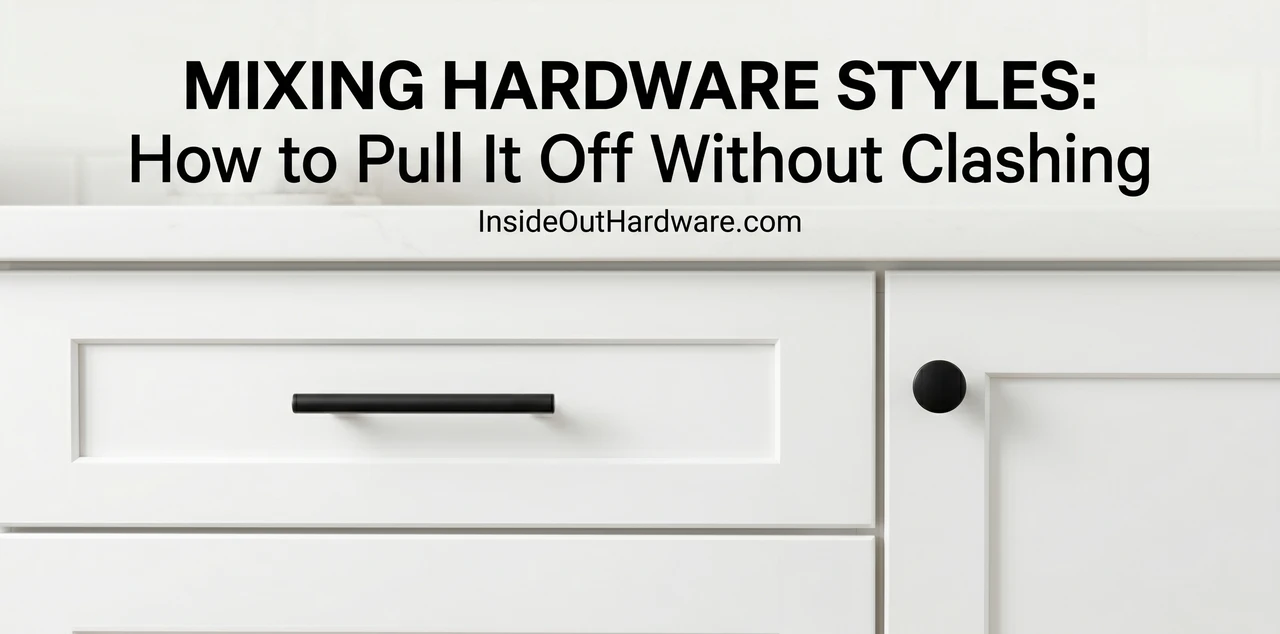
Mixing Cabinet Hardware Styles: How to Mix Knobs and Pulls Without Clashing
Mixing cabinet hardware styles is one of the easiest ways to make a kitchen or bathroom feel more custom. Instead of matching every knob and pull exactly, many homeowners are choosing a more layered look by combining different hardware styles and finishes. When done well, the result feels intentional, high-end, and full of character. When done poorly, it can look mismatched fast.
The good news is that mixing cabinet hardware does not have to be complicated. If you keep a few simple design rules in mind, you can mix cabinet knobs and pulls without making the room feel busy or disorganized.
Start with One Main Finish
The best way to mix cabinet hardware finishes without clashing is to choose one main finish first. This gives the room a foundation and keeps the design grounded.
Satin nickel remains one of the most timeless choices in cabinet hardware because it works with nearly everything. It is clean, versatile, and easy to pair with a wide range of cabinet colors and design styles. Flat black has also become a strong seller for a reason. It adds bold contrast, looks sharp against white and wood cabinetry, and fits beautifully in both modern and transitional spaces. Oil rubbed bronze tends to feel more traditional and warm, while chrome continues to offer a sleek, polished look that works especially well in contemporary kitchens and bathrooms.
Once you choose your main finish, you can introduce a second finish as an accent. That is usually where the best results happen.
Keep It to Two Finishes
If you want mixed cabinet hardware to look intentional, keep your finish palette tight. In most cases, two finishes is the sweet spot.
For example, flat black pulls paired with satin nickel knobs can create contrast without looking chaotic. Satin nickel and chrome can also work together when the shapes are simple and clean. If you want a more traditional look, oil rubbed bronze can pair well with a softer complementary finish in the right setting.
The biggest mistake is trying to work too many finish colors into one space. Two finishes feels designed. Three can work in rare cases. More than that usually starts to feel accidental.
Mix Knobs and Pulls with a Purpose
One of the easiest ways to mix cabinet knobs and pulls successfully is to give each one a job. A common approach is to use knobs on cabinet doors and pulls on drawers.
This works for two reasons. First, it creates a natural visual pattern that makes the mix feel planned instead of random. Second, it improves function. Drawers often feel better with pulls, while knobs are a natural fit for many cabinet doors.
If you are mixing finishes too, this method becomes even more effective. Using one finish for knobs and another for pulls can create a custom look while still keeping the room organized and cohesive.
Keep the Shapes in the Same Family
Mixing cabinet hardware styles works best when the pieces share a similar design language. You do not need every knob and pull to match exactly, but they should feel like they belong in the same space.
If you choose streamlined bar pulls, pair them with simple round or square knobs. If your cabinets lean more traditional, softer curves and classic shapes will usually work better than sharp, ultra-modern lines. In other words, mixing finishes is often easier than mixing totally different style eras.
A sleek chrome pull and a minimal satin nickel knob can work together because the overall feel is similar. A modern flat black pull mixed with an ornate traditional knob is much harder to make look intentional unless the entire room is designed around that contrast.
Use Contrast to Your Advantage
Contrast is one of the main reasons mixed hardware looks so good when it is done right. A darker finish can add depth, while a lighter finish can soften the overall look.
Flat black cabinet hardware creates strong definition and has become especially popular in kitchens with white cabinets, light gray cabinets, and natural wood tones. Satin nickel offers a softer, timeless finish that blends easily with a wide range of spaces. Chrome gives a cleaner, cooler, more polished feel. Oil rubbed bronze adds warmth and works especially well in kitchens with richer tones and more traditional styling.
The goal is not to make every single piece stand out on its own. The goal is to make the room feel balanced. Good contrast adds interest. Too much contrast without a plan feels disconnected.
Let the Cabinet Color Help You Decide
Cabinet color should play a major role in how you mix cabinet hardware finishes. Some finishes naturally pair better with certain cabinet tones.
Flat black hardware stands out beautifully on white, cream, gray, and natural wood cabinets.
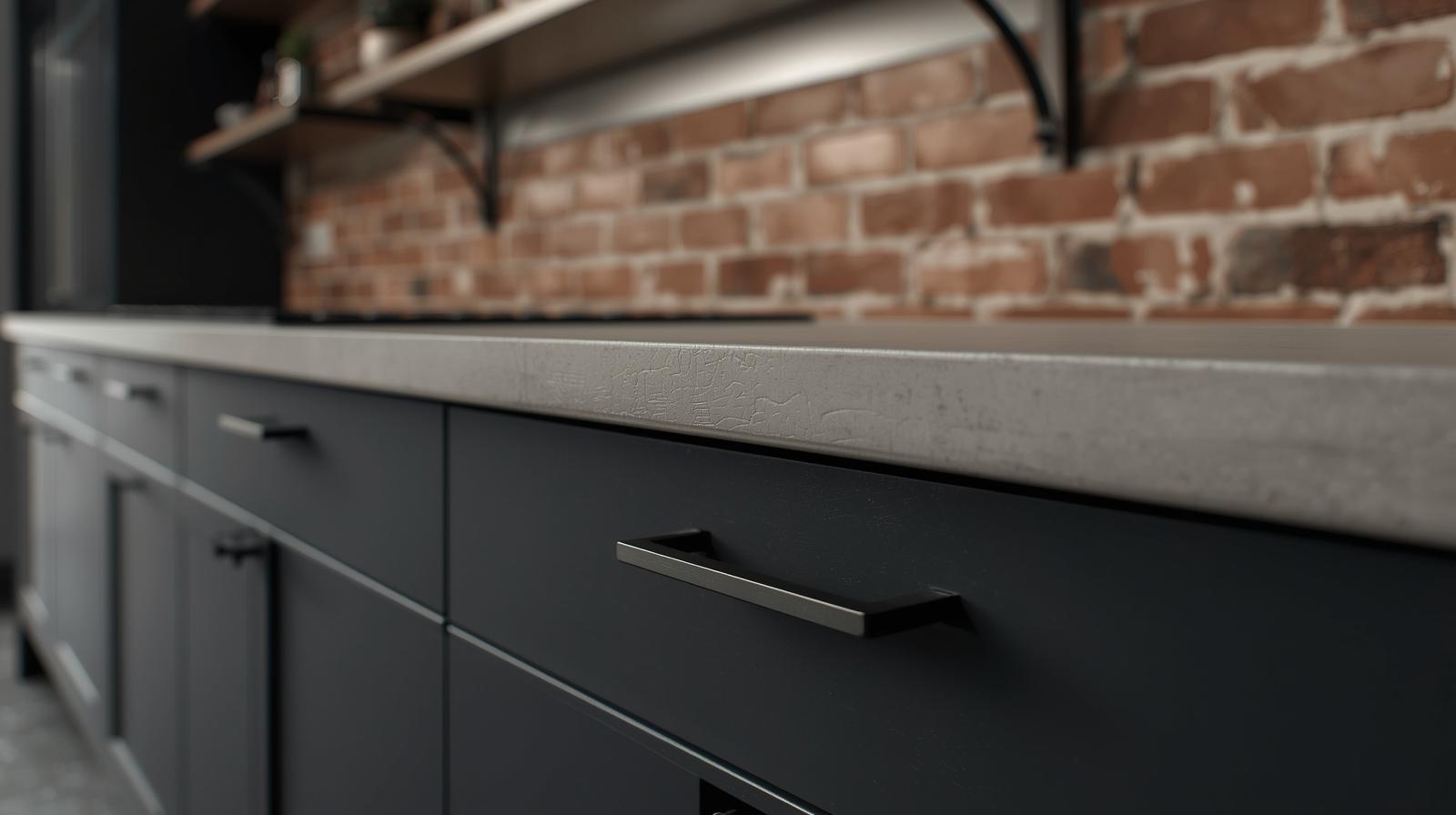
Satin nickel is one of the safest choices because it complements nearly any cabinet color without overwhelming the space. Oil rubbed bronze tends to feel best with warmer cabinets and more traditional designs. Chrome often looks strongest in bright, crisp, modern spaces where a sleek finish makes sense.
If you are not sure which finishes to combine, start by picking the one that fits the cabinet color best. Then choose a second finish that adds just enough contrast without fighting the first one.
Repeat Your Accent Finish Somewhere Else
One of the most overlooked tricks in mixing cabinet hardware finishes is repetition. If a finish appears only once, it can feel random. If it shows up in more than one place, it starts to feel intentional.
For example, if you use flat black cabinet pulls, you might repeat flat black in a faucet, pendant light, or shelving bracket. If you choose satin nickel cabinet knobs, you may want that same finish to show up in nearby fixtures. The same idea works with chrome and oil rubbed bronze.
Repeating a finish elsewhere in the room ties everything together and makes the mixed hardware look more deliberate.
Mixing Hardware Styles Is About Control, Not Chaos
The best mixed hardware looks never feel random. They feel curated. That is why the most successful combinations usually follow a clear pattern: one main finish, one accent finish, consistent shapes, and purposeful placement.
Homeowners often worry that mixing cabinet hardware will make the room feel busy. In reality, the opposite is true when it is done correctly. A good mix adds dimension and visual interest that perfectly matched hardware sometimes lacks.
If your goal is a kitchen or bathroom that feels more custom and less builder-basic, mixing cabinet knobs and pulls is a smart way to get there.
Final Thoughts on Mixing Cabinet Hardware
Mixing cabinet hardware styles can give your cabinets a more polished, custom look without making the room feel cluttered. The key is to keep the mix simple and intentional. Choose a main finish, limit yourself to one accent finish, keep the shapes consistent, and use knobs and pulls with purpose.
Flat black remains a strong choice for homeowners who want contrast and a current look. Satin nickel is timeless for a reason and continues to work in almost any setting. Oil rubbed bronze brings a more traditional warmth, while chrome stays sleek and clean. When you understand how these finishes behave in a space, mixing cabinet hardware becomes much easier.
At Inside Out Hardware, we offer cabinet knobs, cabinet pulls, and cabinet hinges in a wide range of finishes so you can create a look that feels cohesive, stylish, and built to last.
LATEST NEWS
Mixing Cabinet Hardware Styles: How to Mix Knobs and Pulls Without Clashing
Mixing Cabinet Hardware Styles: How to Mix Knobs and Pulls Without Clashing Mixing cabinet hardware...
How to Choose Cabinet Hardware for a Large Kitchen
How to Choose Cabinet Hardware for a Large Kitchen In a large kitchen, cabinet hardware does more th...
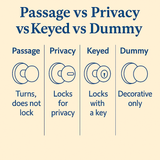
Door Hardware Functions Explained: Passage, Privacy, Keyed Entry, and Dummy
Door Hardware Functions Explained: Passage, Privacy, Keyed Entry, and Dummy Choosing the right door...
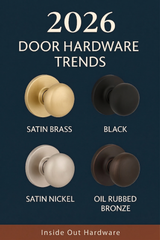
2026 Door Hardware Trends: Best Finishes, Styles, and How to Choose
Door hardware is doing more than ever in 2026. It is no longer just a functional detail added at th...
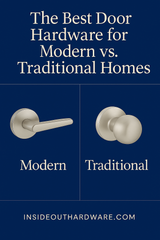
The Best Door Hardware for Modern vs. Traditional Homes
Your home’s architectural style should guide more than just paint colors and flooring — it should al...
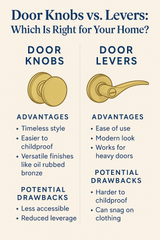
Door Knobs vs. Levers: Which Is Right for Your Home?
When choosing new door hardware, homeowners often ask: “Should I go with knobs or levers?” While bot...