
How to Clean and Maintain Cabinet Hardware: Complete Care Guide
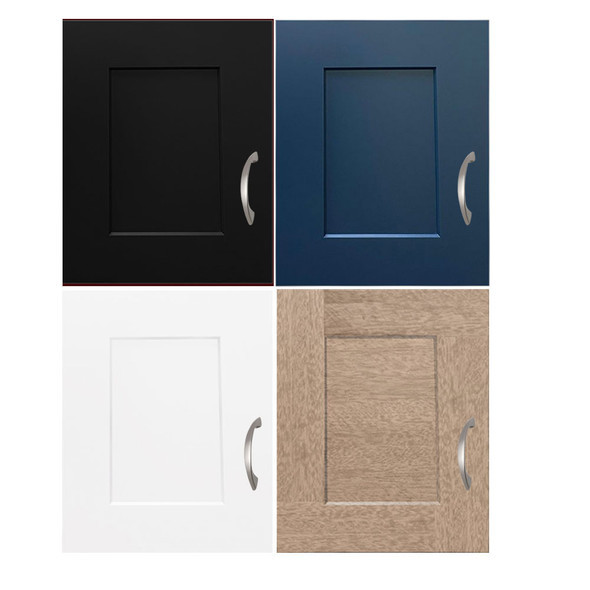
The right cleaning method depends on the finish. Using the wrong product causes permanent damage no amount of cleaning will fix. Here is exactly what to use on each finish and what to avoid.
What You Need
Soft microfiber cloths Mild dish soap Warm water Soft toothbrush for crevices Dry lint-free cloth for drying
Never use abrasive scrubbers, steel wool, bleach, ammonia, acetone, or acid-based cleaners on any cabinet hardware finish.
Matte Black
Wipe with a soft microfiber cloth dampened with warm water. For grease, add a small amount of mild dish soap, wipe gently, rinse, then dry immediately.
Never use acid-based cleaners, alcohol, solvents, or abrasive pads. These strip the finish permanently and the damage cannot be reversed.
Satin Nickel and Brushed Nickel
Wipe with a microfiber cloth and warm soapy water. Rinse and dry thoroughly. For hard water spots or heavy grease, add a small amount of dishwasher detergent to the cloth.
If satin nickel has oxidized, use a mild metal polish such as Flitz or Semichrome. Polish along the grain of the brushed finish, never against it.
Never use bleach, ammonia, or vinegar. These cause discoloration that cannot be reversed.
Oil Rubbed Bronze
Clean with mild soap and warm water. Rinse and dry immediately after every cleaning. Water spots left to dry accelerate unwanted patina changes.
To restore a dull piece, apply clear paste wax such as Trewax with a soft cloth and buff gently.
Never use brass polish, metal cleaners, vinegar, toothpaste, nail polish remover, or caustic drain cleaners on oil rubbed bronze. These remove the intentional patina and expose the base metal.
Lacquered Brass and Brushed Brass
Lacquered brass has a clear protective coating. Clean with mild soap and water only. Never use brass polish on lacquered brass. It removes the lacquer and exposes raw brass that tarnishes quickly.
Brushed brass: wipe with microfiber cloth and warm soapy water. Dry immediately. Wipe in the direction of the brushing, not against it.
Unlacquered Brass
Daily wiping with a dry microfiber cloth is sufficient for routine maintenance. For a deeper clean, mild soap and warm water, rinse, and dry immediately.
To restore shine, apply brass polish with a soft cloth and buff until residue lifts. Finish with a thin wax coat to slow future patina. Do not over-polish as it removes the patina entirely.
Polished Chrome
Wipe with microfiber cloth and warm water after daily use. For stubborn water spots, a solution of equal parts water and white vinegar works on polished chrome specifically. Rinse immediately and dry thoroughly.
Never use abrasive pads or steel wool. Scratches in a polished surface are permanent.
Grease Removal
For light grease: mild dish soap and warm water on every finish.
For heavy grease buildup: baking soda and water paste applied with a soft cloth, left 5 minutes, then wiped away and rinsed. Do not use baking soda on matte black or oil rubbed bronze. Use degreasing dish soap only on those two finishes.
For deep grooves and detailing: soft toothbrush with cleaning solution, rinse thoroughly, dry immediately.
Cleaning Frequency
Kitchen cabinet hardware: wipe weekly, full clean every 2 to 4 weeks Bathroom vanity hardware: wipe every 1 to 2 weeks, full clean monthly Door hardware: wipe monthly, full clean every 2 to 3 months
Loose Screw Maintenance
Knobs loosen over time because a single screw takes repeated rotation stress. Check all knobs every 6 months and re-tighten any that have loosened.
If a screw will not stay tight, apply removable grade thread-locking compound to the threads before re-installing. Do not use permanent grade thread locker.
What to Avoid on Every Finish
Abrasive scrubbers or steel wool: scratch every finish permanently Bleach or ammonia: discolor and damage protective coatings Vinegar on brass or oil rubbed bronze: removes patina and damages the finish Acid-based cleaners on matte black: strips the finish permanently Leaving water to dry on any finish: causes mineral spots and accelerates corrosion
Frequently Asked Questions
How do I clean cabinet hardware without removing it? Wipe with a microfiber cloth dampened with mild dish soap and warm water. Use a soft toothbrush for crevices. Rinse, wipe again with clean water, then dry immediately.
Can I use vinegar to clean cabinet hardware? Only on polished chrome and glass. Never on brass, oil rubbed bronze, matte black, or satin nickel. Vinegar is acidic and damages or removes the finish on these materials.
How do I clean greasy cabinet hardware? Mild dish soap and warm water for light grease on all finishes. Baking soda paste for heavy buildup on most metal finishes except matte black and oil rubbed bronze.
How often should I clean cabinet hardware? Kitchen hardware every 2 to 4 weeks. Bathroom hardware monthly. Door hardware every 2 to 3 months. Wipe all hardware weekly with a dry microfiber cloth between full cleanings.
How do I restore oil rubbed bronze hardware? Clean with mild soap and water, dry thoroughly, then apply clear paste wax such as Trewax and buff gently. Never use metal polish on oil rubbed bronze.
How do I stop cabinet knobs from loosening? Apply removable grade thread-locking compound to the screw threads before installing. Check all knobs every 6 months and re-tighten as needed.
At Inside Out Hardware we carry cabinet knobs and cabinet pulls from Cosmas and Designers Impressions in satin nickel, matte black, oil rubbed bronze, polished chrome, and brushed brass. Free shipping on orders over $50 across the USA.
LATEST NEWS
How to Mix Knobs and Pulls on Kitchen Cabinets
Most kitchens look unfinished because hardware was placed without a system. The fix is simple: knobs...

How to Choose Cabinet Hardware for Any Kitchen
Choosing cabinet hardware comes down to three decisions: which type fits the function, which finish...
Door Hardware Functions Explained: Every Lock Type
Wrong lockset on the wrong door is a fixable mistake only before installation. A passage set on a ba...
Door Hardware Trends: Best Finishes and Styles Right Now
Door hardware is no longer picked last. The right finish and style pulls an entire room together. Wr...

Best Door Hardware for Modern and Traditional Homes
The hardware on your doors either fits the home or fights it. A round ornate knob on a flat panel mo...
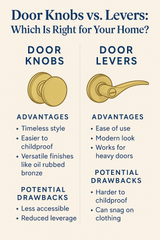
Door Knobs vs Levers: Which Is Right for You
Levers win on ease of use and accessibility. Knobs win on childproofing and pet security. The right...